Как плотность сублимационной бумаги (от 30 до 90 г/м²) влияет на высокоскоростную печать
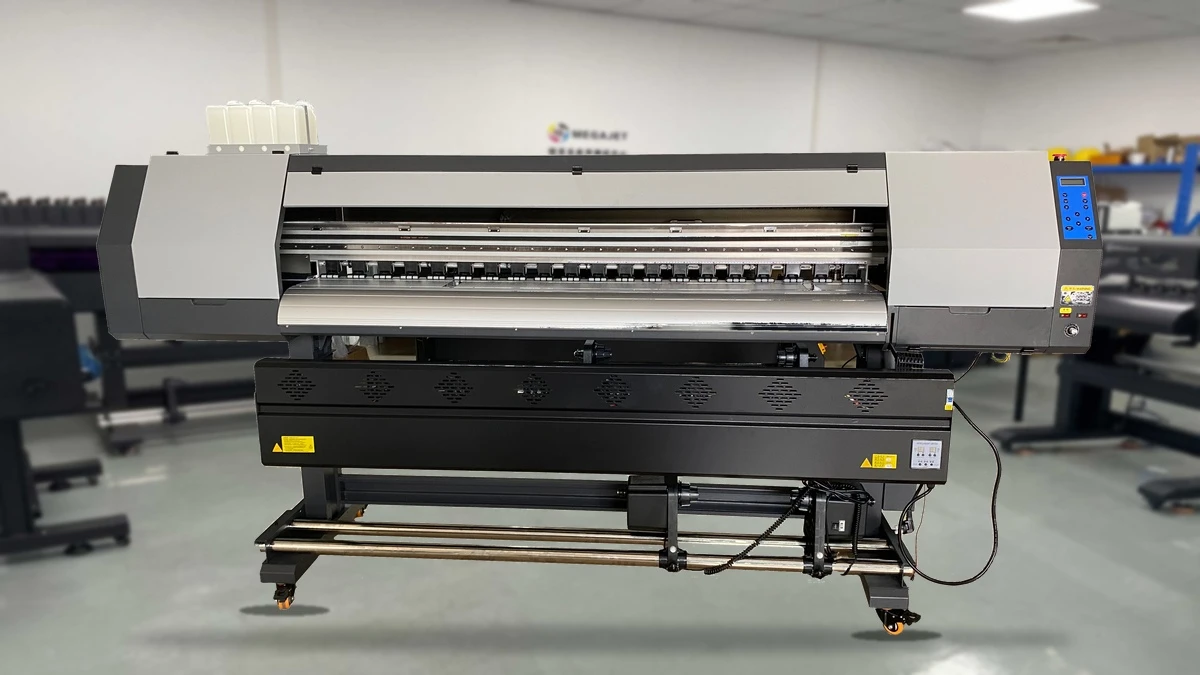
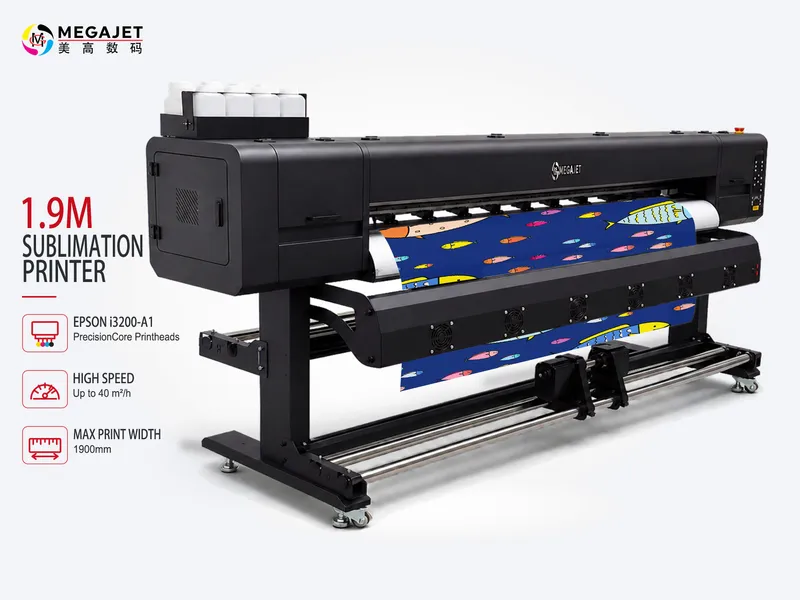
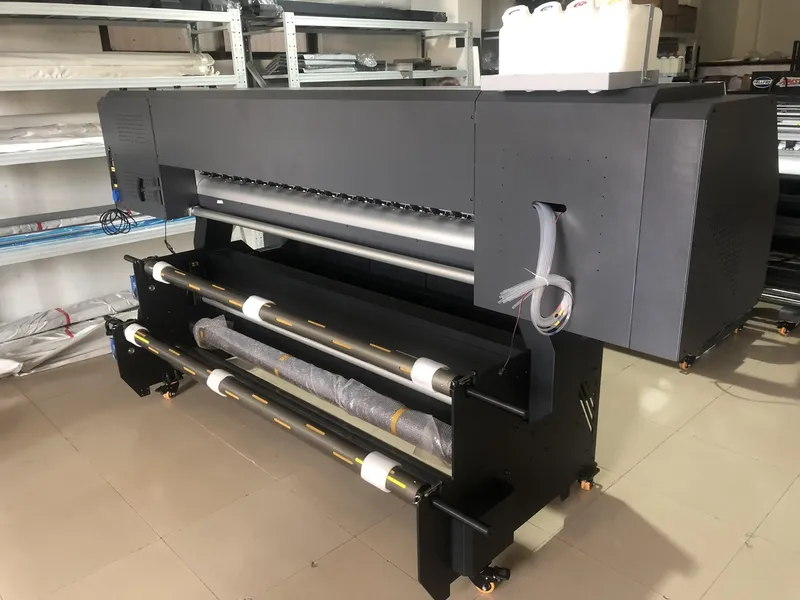
Megajet industrial roll-to-roll dye-sublimation printer in our workshop.
Table of Contents
В промышленной рулонной сублимационной печати выбор трансферной бумаги является одним из важнейших технологических решений. Производственные предприятия и текстильные фабрики постоянно ищут баланс между стоимостью расходных материалов и механической стабильностью оборудования.
Сверхлегкая сублимационная бумага плотностью от 30 до 35 г/м² привлекает низкой ценой за квадратный метр и существенно большей намоткой в рулоне, позволяя оборудованию печатать часами без остановки на смену рулона. Однако протяжка столь тонкого полотна на высоких скоростях свыше 100 м²/ч сопряжена с серьезными рисками: влажным короблением (cockling), флотацией материала воздушными потоками каретки и разрушительными ударами бумаги о дорогостоящие печатающие головки. Напротив, плотная бумага от 70 до 90 г/м² гарантирует стабильность геометрических размеров и впитывает огромные объемы чернил без морщин, но увеличивает логистические расходы, повышает себестоимость метра и требует частой перезаправки рулонов.
Понимание того, как плотность бумаги (GSM) влияет на механику проводки полотна, пределы насыщения чернилами и перенос на каландровом термопрессе, позволяет технологам точно подбирать расходные материалы под конкретные линейки текстиля.
Физические характеристики сублимационной бумаги от 30 до 90 г/м²
Базовая плотность (граммы на квадратный метр, или GSM) напрямую определяет толщину полотна в микронах и его жесткость на изгиб. Сублимационная бумага состоит из сырой целлюлозной основы со специальным гидрофильным рецепторным слоем, удерживающим капли дисперсного красителя у поверхности.
При уменьшении плотности с 90 до 30 г/м² толщина листа сокращается более чем на 60%. Столь резкое уменьшение массы волокон кардинально меняет поведение материала под воздействием прижимных роликов, вакуумного стола и жидких чернил.
| Плотность (GSM) | Типичная толщина (мкм) | Безопасный лимит чернил | Метров в рулоне Ø300 мм | Основное целевое применение |
|---|---|---|---|---|
| 30–35 г/м² | 38–44 мкм | До 180%–200% | 2 500–3 200 м | Флаги, промо-баннеры, масс-маркет одежда, легкая полиэстеровая подкладка |
| 45–55 г/м² | 55–68 мкм | До 220%–240% | 1 600–2 000 м | Стандартная спортивная форма, футболки, повседневный спортивный трикотаж |
| 70–90 г/м² | 85–115 мкм | До 280%–320% | 900–1 200 м | Насыщенные черные плашки, двусторонние флаги, велоформа, жесткие панели |
Тонкая бумага содержит меньше целлюлозных волокон, поэтому при термопереносе на каландре пары красителя сублимируют и проникают в волокна полиэстера быстрее. Плотные сорта бумаги формируют надежный барьер, предотвращающий пробивание чернил на оборотную сторону, что обеспечивает высокую четкость контуров в детализированной графике.
Динамика высокоскоростной печати: причины коробления и задевания головок
Главное техническое препятствие при работе с бумагой 30 г/м² — влажное коробление (wet cockling). Сублимационные чернила представляют собой водные суспензии, содержащие от 60% до 80% воды и увлажняющие гликоли.
Когда печатающие головки наносят большое количество жидкости на сухие целлюлозные волокна, те мгновенно впитывают влагу и расширяются в диаметре. Однако соседние сухие участки без печати не меняют размеров. Эта разница напряжений заставляет поверхность бумаги вспучиваться волнообразными гребнями.
На скоростном оборудовании, таком как 180-сантиметровый сублимационный принтер с оригинальными головками Epson i3200-a1, каретка перемещается над столом со скоростью свыше 1,2 м/с. Рабочий зазор (platen gap) между пластиной дюз и поверхностью материала обычно выставляется в пределах 1,6–2,0 мм для сохранения точного позиционирования точки.
Если бумага 30 г/м² вспучивается при заливке свыше 220%, гребни волн могут подняться на 2,0–3,0 мм над столом. Быстро движущаяся каретка врезается в эти гребни, и абразивные волокна бумаги скребут по зеркальной пластине дюз. Такой удар приводит к смазыванию отпечатка, повреждает дюзы и может вызвать необратимый электрический пробой пьезоэлементов.
При работе с бумагой 70–90 г/м² большая толщина и поперечная жесткость сдерживают набухание волокон. Бумага лежит идеально ровно на вакуумном столе даже при сплошных заливках свыше 280%.
Механические требования оборудования для работы с тонкой бумагой
Стабильная проводка полотна 30–35 г/м² на скоростях от 80 до 150 м²/ч требует надежной промышленной конструкции станины. Обычные принтеры начального уровня, рассчитанные на бумагу плотностью от 70 г/м², часто дают сбои на тонких рулонах.
Вакуумный стол и бесступенчатая регулировка прижима
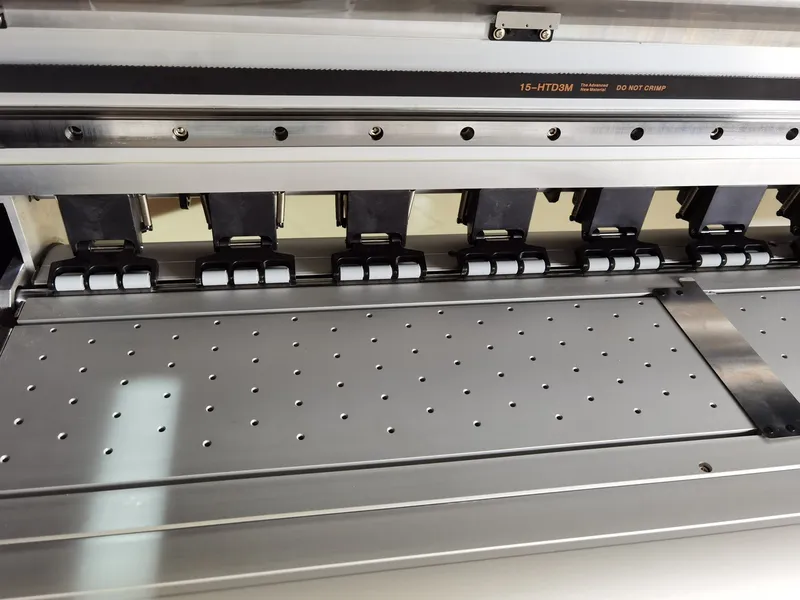
Вакуумная система зоны печати обязана создавать стабильное отрицательное давление по всей ширине стола. При слабом вакууме бумага 30 г/м² приподнимается под действием влаги чернил и воздушных завихрений каретки.
Если же вакуум чрезмерно силен, тонкое полотно буквально засасывает в отверстия стола. Возникающее трение тормозит подачу, вызывая микросдвиги шага в виде темных горизонтальных полос (бендинга). Промышленные станки оснащаются бесступенчатыми инверторными турбинами и столами с микроперфорацией, равномерно распределяющими прижим без деформации полотна.
Контроль постоянного натяжения и рулоны Jumbo
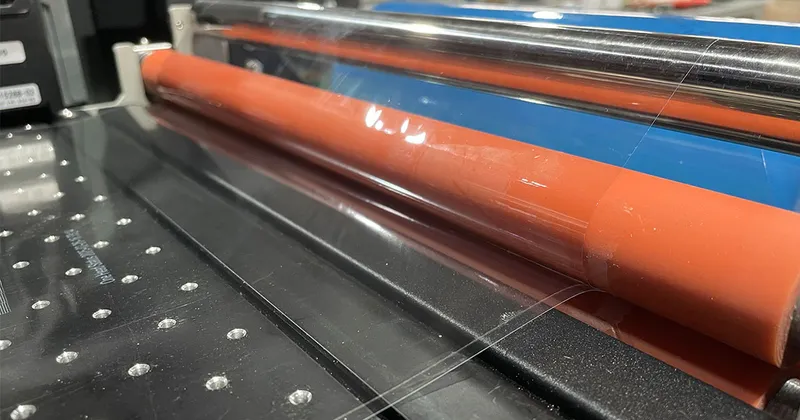
Тонкая бумага 30 г/м² обладает низким сопротивлением на разрыв и легко перекашивается или рвется при резких рывках размотки.
На производствах используют пневматические валы с электромагнитными порошковыми тормозами и компенсационными рычагами (танцующими валиками). Танцующий валик сглаживает рывки каретки и поддерживает плавное натяжение от первого до последнего метра 3000-метрового рулона. Сегментированные резиновые прижимные ролики исключают боковое соскальзывание и ведут полотно строго по прямой на ширине 180 см.
Инфракрасная сушка и испарение влаги
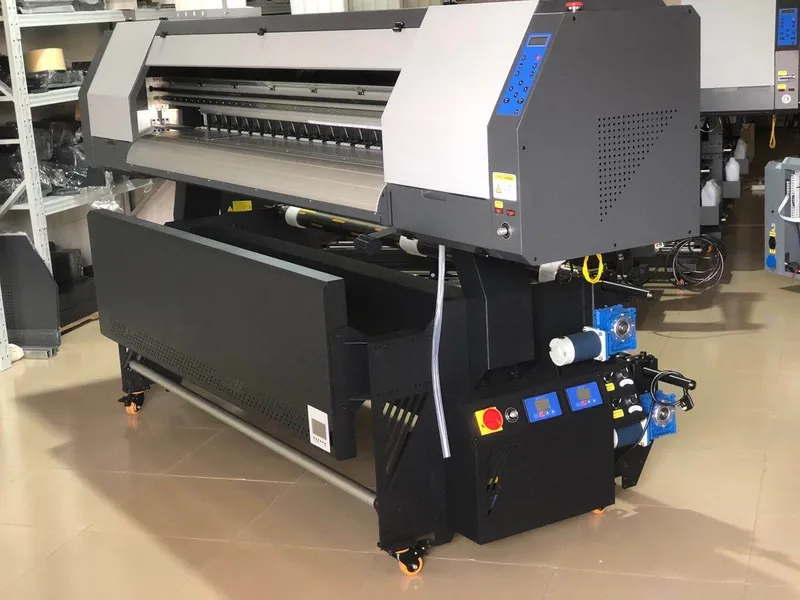
Из-за малой толщины бумага не может удерживать избыток влаги внутри, поэтому влагу необходимо испарить до того, как полотно зайдет на намотку.
Скоростные сублимационные линии оснащаются инфракрасными сушками и вентиляторными планками, расположенными сразу за печатным столом. Быстрое высыхание закрепляет краситель на покрытии и исключает перетискивание сырых чернил на оборотную сторону под давлением тяжелого готового рулона.
Экономика производства: метраж рулона против простоев оборудования
Для швейных фабрик переход с бумаги 70 г/м² на 35 или 30 г/м² продиктован вопросами себестоимости. Однако цену сырья и общую эффективность цеха необходимо рассматривать в комплексе.
Выход погонных метров с одного рулона
Узлы размотки имеют ограничения по внешнему диаметру рулона — обычно от 280 до 450 мм.
Поскольку бумага 30 г/м² более чем вдвое тоньше бумаги 90 г/м², на стойку диаметром 350 мм помещается около 3000 погонных метров бумаги 30 г/м² против лишь 1000 метров бумаги 80–90 г/м². На 8-головочном принтере i3200-A1, печатающем на скорости 150 м²/ч (около 90 пог. м/ч при ширине 1,6 м), рулон 1000 м вырабатывается всего за 11 часов.
Переход на рулон Jumbo 3000 м плотностью 30 г/м² продлевает время непрерывной печати до 33 часов. Это позволяет ночной смене работать полностью автономно без перезаправки бумаги и склейки полотен.
Финансовые риски повреждения голов
Экономия на бумаге 30 г/м² может обернуться убытками, если на производстве не отлажены рабочие процессы.
Оригинальная головка Epson i3200-a1 — дорогостоящий узел. Если оператор запустит плотную темную графику на бумаге 30 г/м² без правки кривых в RIP, вспучившаяся бумага неминуемо ударит по головке. Один такой удар с выходом из строя пары головок перечеркнет всю выгоду от использования десятков тысяч квадратных метров дешевой бумаги.
Матрица выбора бумаги по типам заказов
Опытные технологи распределяют заказы по трем категориям плотности.
1. Сверхлегкая (30–35 г/м²): массовые тиражи, малая и средняя заливка
- Изделия: Флажная продукция, промо-баннеры, платья быстрой моды, зонты и легкая полиэстеровая подкладка.
- Лимит чернил: Умеренный (140%–180%).
- Преимущество: Максимальный метраж в рулоне и сверхбыстрый перенос на каландре на скоростях до 15–20 м/мин.
2. Сбалансированный стандарт (45–60 г/м²): спортивная и повседневная одежда
- Изделия: Футбольная и баскетбольная форма, спортивные леггинсы, одежда для фитнеса, интерьерный текстиль soft signage.
- Лимит чернил: Средний и высокий (200%–250%).
- Преимущество: Отличная проводка на любых многоголовочных принтерах. Достаточная плотность для впитывания ярких номеров и градиентов без коробления при хорошей намотке рулона.
3. Плотная премиум (70–90 г/м²): максимальная насыщенность и детализация
- Изделия: Профессиональная велоформа, зимний флис, двусторонние флаги и твердые заготовки для сублимации (алюминиевые панели Chromaluxe, керамические кружки).
- Лимит чернил: Максимальный (280%–320%) при использовании высококонцентрированных сублимационных чернил, сертифицированных по стандарту OEKO-TEX Standard 100.
- Преимущество: Полное отсутствие коробления при заливках. Жесткость исключает смещение контуров и деформацию при каландрировании, обеспечивая фотографическую резкость.
Рекомендации завода: безопасный переход на легкую бумагу
Если ваш цех печатает на бумаге 70–80 г/м² и планирует перейти на 35 или 30 г/м², следуйте этому техническому регламенту:
Контролируйте влажность воздуха (строго 45%–60% RH): Тонкая бумага крайне чувствительна к влаге. При влажности ниже 40% статическое электричество прижимает бумагу к столу, вызывая полошение. При влажности выше 65% бумага впитывает влагу из воздуха и теряет жесткость еще до нанесения чернил.
Скорректируйте профили в RIP: Никогда не печатайте на бумаге 30 г/м² с профилем от 80 г/м². Проведите линеаризацию и ограничьте совокупный лимит чернил до 180%–190%. Концентрированные чернила дают глубокий цвет при меньшем объеме жидкости.
Настройте силу вакуума: Протестируйте подачу на чистой бумаге. Убавляйте обороты турбины до исчезновения избыточного трения, затем слегка увеличьте прижим, чтобы края не трепетали от потока воздуха каретки.
Проверьте тормоз размотки и танцующий валик: Убедитесь, что тормоз размоточного вала плавно компенсирует уменьшение веса рулона, а рычаг гасит рывки без заломов полотна.
Увеличьте безопасную высоту каретки: При тестировании новой партии бумаги 30 г/м² поднимите каретку на среднее или высокое положение (1,8–2,0 мм). После подтверждения стабильности на отрезке в 50 метров отрегулируйте высоту для идеальной резкости точки.
Согласование плотности бумаги с механикой натяжения станка и плотностью заливки — залог стабильной скоростной сублимации без риска повреждения головок. Если вам требуется расчет параметров подачи тонких бумаг, специалисты Megajet готовы оказать профессиональную поддержку.